
 By Bran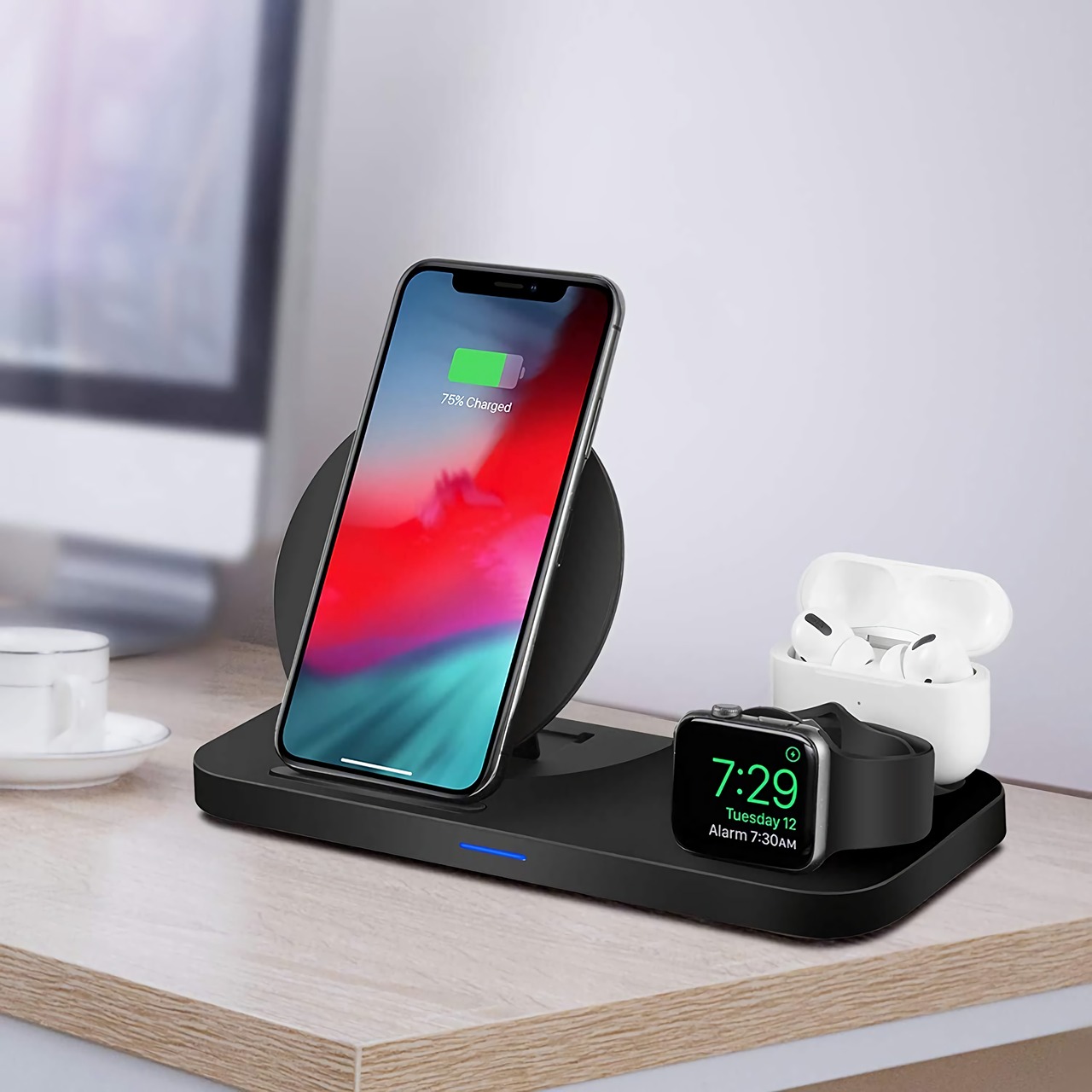
Charging technology plays a vital role in modern smartphones, and the iPhone Charger is a perfect example of how innovation meets everyday convenience. From powering daily communication to supporting advanced mobile features, a reliable charger ensures smooth performance, battery health, and device longevity in today’s fast-paced digital lifestyle.
Overview of Why Charging Technology Is Essential in Modern Smartphones
Smartphones have become an extension of our daily lives, handling communication, entertainment, work, and navigation. Without efficient charging technology, even the most advanced device becomes useless. The iPhone Charger is designed to deliver stable power, protect the battery, and support fast charging needs. As smartphone usage increases, charging solutions must balance speed, safety, and efficiency to keep devices running throughout the day without compromising battery lifespan.
What Is an iPhone Charger?
An iPhone Charger is a power accessory specifically designed to safely charge Apple iPhones by delivering the correct voltage and current. It typically includes a power adapter and a charging cable that connects the phone to an electrical source. Unlike generic chargers, an iPhone charger is engineered to communicate with the device, ensuring optimized power flow, preventing overheating, and maintaining battery health while charging.
Core Components of an iPhone Charger
The iPhone Charger consists of several essential components working together seamlessly. The power adapter converts electricity from the wall socket into usable power for the phone. The charging cable transfers this power efficiently, while the connector—Lightning or USB-C—ensures secure data and power transmission. Inside the adapter, advanced circuitry regulates voltage, prevents power surges, and protects the device from electrical damage, making charging both safe and reliable.
How an iPhone Charger Converts Power
Household electricity is supplied as alternating current (AC), but smartphones require direct current (DC). The iPhone Charger performs this conversion internally using rectifiers and voltage regulators. This process ensures the phone receives a stable and controlled flow of energy. By managing voltage levels carefully, the charger prevents battery stress, reduces heat generation, and allows the iPhone to charge efficiently without harming internal components.
Also Read This:- Sosoactive: A Complete Guide to Meaning, Lifestyle, and Modern
The Role of Charging Cables in Power Delivery
Charging cables play a crucial role in how effectively power reaches the device. Older iPhones use Lightning cables, while newer models support USB-C connections. A high-quality cable improves charging speed, reduces power loss, and ensures stable energy transfer. Poor-quality cables may cause slow charging or overheating. Choosing the right cable enhances the performance of the iPhone Charger and supports advanced charging standards.
Fast Charging Technology in iPhone Chargers
Fast charging has transformed how users power their devices. Modern iPhone Chargers support higher wattage, allowing the battery to charge up to 50% in a short time. This technology adjusts power delivery dynamically based on battery level and temperature. Compatible iPhone models benefit from quick top-ups, making fast charging ideal for busy users who need power on demand without long waiting times.
Power Delivery (PD) Technology Explained
USB-C Power Delivery is an advanced charging standard that significantly improves efficiency. With PD technology, the iPhone Charger communicates with the device to deliver the optimal amount of power. This smart negotiation allows faster charging while maintaining safety. PD also enables compatibility with multiple devices, making one charger suitable for phones, tablets, and even laptops, reducing clutter and increasing convenience.
Smart Charging and Battery Protection Features
Apple integrates intelligent charging features to protect battery health. The iPhone Charger works with the phone’s software to manage charging speed, reduce heat, and prevent overcharging. Features like optimized battery charging learn user habits and delay full charging until needed. These smart systems extend battery lifespan, reduce degradation, and ensure long-term performance for iPhone users.
Also Read This:- Managed Telecom Services: The Complete 2025 Guide to Business
Wireless Charging vs Wired iPhone Charger
Wireless charging offers convenience, while wired charging provides speed and efficiency. A wired iPhone Charger typically charges faster and with less energy loss compared to wireless options. Wireless charging eliminates cable wear and offers a clutter-free experience but may generate more heat. Choosing between the two depends on user preference, lifestyle, and the importance of charging speed versus convenience.
Energy Efficiency and Environmental Impact
Modern iPhone Chargers are designed with energy efficiency in mind. Improved power management reduces electricity waste and lowers carbon footprints. Apple’s move toward eco-friendly packaging and efficient chargers supports sustainability goals. Using certified chargers and durable cables also reduces electronic waste, contributing to a greener technology ecosystem while maintaining high charging performance.
Common iPhone Charger Issues and Solutions
Users may encounter problems such as slow charging, overheating, or damaged cables. These issues often result from low-quality accessories or incompatible adapters. Using a certified iPhone Charger, cleaning the charging port, and replacing worn cables can resolve most problems. Regular inspection and proper handling ensure consistent performance and reduce the risk of long-term device damage.
How to Choose the Right iPhone Charger
Selecting the right iPhone Charger involves considering compatibility, wattage, and safety certification. Higher wattage chargers support fast charging, while certified accessories ensure protection against electrical hazards. Choosing a reliable charger improves charging speed, protects battery health, and enhances overall device performance. Investing in quality accessories ultimately saves money by reducing wear and replacement costs.
Future Trends in iPhone Charging Technology
The future of charging technology points toward faster speeds, improved efficiency, and innovative designs. Upcoming iPhone Chargers may support port-less charging, enhanced wireless power transfer, and smarter energy management. Sustainable materials and universal charging standards are also expected to shape the next generation of charging solutions, offering greater convenience and environmental benefits.
FAQs
How long does it take to fully charge an iPhone with a fast charger?
With a fast iPhone Charger, most compatible models can reach 50% charge in about 30 minutes, while a full charge typically takes around 90 minutes.
Is it safe to use third-party iPhone chargers?
Yes, as long as they are certified and meet safety standards. Certified chargers ensure proper voltage regulation and device protection.
Does wireless charging damage the iPhone battery?
Wireless charging does not damage the battery if used correctly, but wired charging is generally more efficient and generates less heat.
Why does my iPhone charge slowly sometimes?
Slow charging can occur due to low-power adapters, damaged cables, background apps, or high device temperature.
Can one charger be used for multiple Apple devices?
A USB-C Power Delivery iPhone Charger can often charge iPhones, iPads, and other compatible devices efficiently.
Visit for more information:- Platosargentinos