
 By Bran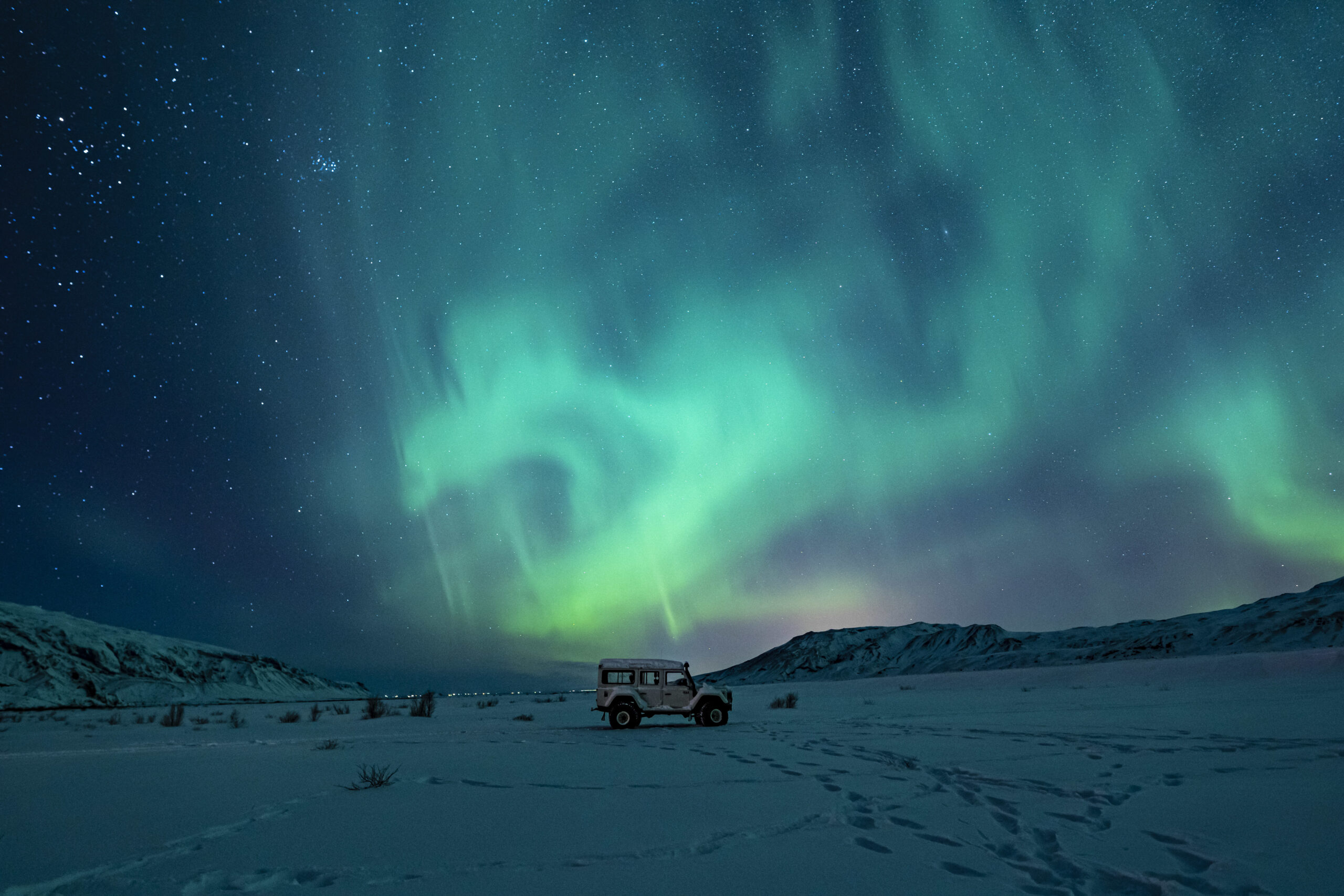
Few natural phenomena capture the imagination like the Northern Lights. Travelers around the world seek this dazzling light display, making it one of the most sought-after experiences in adventure tourism.
Brief Overview of What the Northern Lights Are and Why They Are a Popular Travel Attraction
The Northern Lights, also known as the aurora borealis, are vibrant displays of colored lights that dance across the night sky in polar regions. They attract tourists because of their mesmerizing beauty, rarity, and the sense of awe they inspire. Experiencing this natural spectacle provides a once-in-a-lifetime adventure and a unique connection to the wonders of our planet.
The Science Behind the Northern Lights
The Northern Lights occur when charged particles from the sun collide with Earth’s atmosphere, exciting oxygen and nitrogen molecules. These interactions emit photons, which we perceive as colorful lights in the sky. The auroras vary in color, from green to pink and purple, depending on altitude and the type of atmospheric particle involved. Understanding the science enhances the appreciation for this breathtaking natural event.
Also Read This:- Luxury Villas Italy Le Collectionist – Redefining Italian Escapes
Best Countries to Witness the Northern Lights
Certain countries offer the best opportunities to view the Northern Lights. Norway, with locations like Tromsø, provides clear skies and optimal viewing conditions. Iceland offers geothermal landscapes that enhance the aurora experience. Sweden and Finland provide remote wilderness areas, while Canada’s Yukon and Alberta, along with Alaska in the United States, are ideal for adventurous travelers seeking unspoiled views. Each destination combines natural beauty with accessibility for aurora chasers.
Best Time of Year for Northern Lights Viewing
The optimal period for experiencing the Northern Lights is during the winter months, from late September to early April. Longer nights, clearer skies, and minimal light pollution improve visibility. Weather conditions such as low humidity and cloud-free skies are critical. Understanding seasonal patterns and solar activity cycles ensures travelers maximize their chances of witnessing the spectacular display.
Safe Travel Tips for Northern Lights Adventures
Traveling to see the Northern Lights often involves extreme cold and remote areas. Dressing in layers, wearing insulated boots, and using thermal accessories is essential. Carrying safety gear, informing others of your itinerary, and knowing local emergency services are crucial for a safe adventure. Being prepared ensures the focus remains on enjoying the aurora while minimizing risks.
Also Read This:- Luxury Villas Italy Le Collectionist – Redefining Italian Escapes
Popular Viewing Spots and Locations
Certain locations have gained fame for consistent sightings of the Northern Lights. In Norway, the Lofoten Islands and Tromsø are hotspots. Iceland’s Thingvellir National Park and Jokulsarlon Glacier Lagoon offer unique landscapes. Swedish Lapland and Finland’s Rovaniemi region provide remote wilderness settings. In Canada, Yellowknife and Jasper National Park are ideal, while Alaska’s Fairbanks area offers extensive aurora-viewing opportunities.
Guided Tours vs Independent Travel
Deciding between guided tours and independent travel depends on experience and preference. Guided tours provide expert knowledge, transport, and safety in unfamiliar regions, which is valuable in extreme environments. Independent travel allows for flexibility, personal exploration, and potentially lower costs, but requires careful planning. Both approaches offer rewarding experiences to see the Northern Lights.
Photography Tips for Capturing the Northern Lights
Capturing the Northern Lights requires proper techniques and equipment. A DSLR or mirrorless camera with manual settings is ideal. Use a tripod to stabilize long exposures, and adjust ISO and shutter speed to capture vibrant colors. Experimenting with composition, foreground elements, and reflections on water enhances photos. Planning sessions around peak aurora activity ensures the best photographic results.
Accommodation Options Near Viewing Areas
Staying near Northern Lights hotspots enhances the experience. Remote lodges, glass igloos, and cozy cabins in Norway, Finland, or Iceland allow travelers to witness the aurora from their accommodation. Hotels offering wake-up calls when the lights appear and eco-friendly resorts in Canada and Alaska combine comfort, convenience, and an immersive natural experience, ensuring travelers do not miss a single moment.
Activities to Combine With Northern Lights Viewing
Aurora-viewing trips can be paired with exciting outdoor activities. Dog sledding, snowmobiling, ice fishing, and reindeer safaris provide adventure during the day. Cultural experiences, such as visiting Sami villages in Scandinavia or learning about Indigenous traditions in Canada, add depth to the journey. Combining activities ensures a well-rounded experience while maximizing enjoyment of the aurora adventure.
Understanding Weather and Light Conditions
Visibility of the Northern Lights is influenced by weather, light pollution, and solar activity. Clear, dark skies with minimal moonlight offer optimal viewing conditions. Solar flares increase aurora intensity, so tracking geomagnetic activity helps predict strong displays. Travelers should monitor forecasts and plan excursions accordingly to increase their chances of witnessing the spectacular phenomenon.
Local Culture and Traditions Around the Northern Lights
Indigenous communities across northern regions have rich traditions and folklore about the Northern Lights. In Scandinavia, the lights are believed to be spirits or celestial beings, while Inuit legends describe them as ancestors dancing in the sky. Understanding local culture adds a unique perspective and enhances the travel experience, connecting travelers to the history and stories behind the natural spectacle.
Planning Your Northern Lights Trip Safely
Proper planning ensures a safe and memorable Northern Lights adventure. Creating an itinerary with flexible schedules, booking guided tours if unfamiliar with the region, and obtaining travel insurance are essential. Preparing for emergencies, carrying communication devices, and being aware of local regulations ensures the journey is safe and enjoyable, allowing travelers to focus fully on the aurora experience.
FAQs
When is the best time to see the Northern Lights?
The best period is between late September and early April when nights are long and skies are clearer.
Which countries offer the most reliable Northern Lights sightings?
Norway, Iceland, Sweden, Finland, Canada, and Alaska provide the most consistent viewing opportunities.
Is it safe to travel to remote Northern Lights locations?
Yes, with proper preparation, warm clothing, and adherence to safety guidelines, travel to aurora hotspots is safe.
Do I need a tour guide to see the Northern Lights?
Guides help with logistics and safety, but experienced travelers can explore independently with careful planning.
Can I photograph the Northern Lights with a smartphone?
High-end smartphones can capture auroras under optimal conditions, but professional cameras provide better quality and control over exposures.
Visit for more information:- Platosargentinos