
 By Bran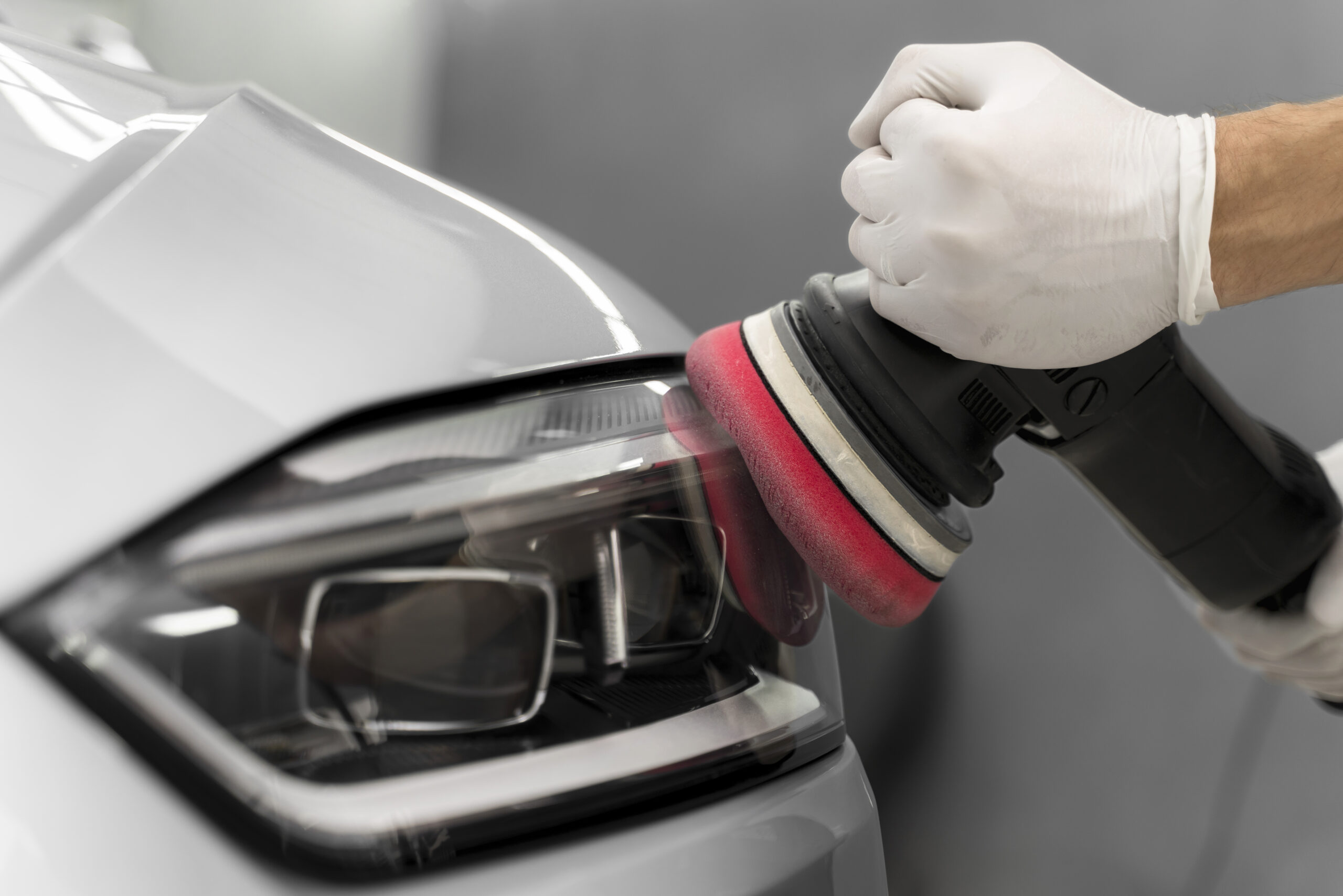
Headlight restoration is essential for maintaining vehicle safety and appearance. Over time, headlights can become hazy, yellowed, or scratched, reducing visibility during nighttime driving. Timely restoration ensures clear vision and safer roads for all drivers.
Common Causes of Headlight Damage
Several factors contribute to headlight deterioration. Sun exposure and UV rays gradually oxidize the plastic, causing yellowing and hazing. Environmental elements like dirt, sand, and road debris scratch the surface over time. Extreme weather conditions, such as heavy rain, snow, and ice, also contribute to wear. Even everyday cleaning with abrasive materials can lead to fine scratches. Understanding these causes helps car owners take preventive steps and prioritize maintenance.
Signs Your Headlights Need Restoration
Identifying when headlights require attention is crucial for safety. Common signs include yellowing, hazing, reduced brightness, and uneven light output. If you notice dimmer beams or difficulty seeing at night, it’s a strong indicator that the headlights have lost their clarity. Cloudy or fogged lenses can also distort light patterns, making driving hazardous, especially in adverse weather conditions.
Benefits of Headlight Restoration
Restoring headlights offers several advantages. First, it improves visibility, making nighttime and poor weather driving safer. Second, clear headlights enhance the vehicle’s appearance, giving it a well-maintained look. Restoration can also increase vehicle value, which is beneficial for resale. Additionally, improved lighting reduces driver fatigue and enhances reaction time, contributing to overall road safety.
Also Read This:- Expert Tips on Water Restoration for Businesses and Homes
Professional vs. DIY Headlight Restoration
Deciding between professional and DIY restoration depends on experience, tools, and desired results. Professionals provide long-lasting results using advanced techniques and high-quality products. DIY methods can be cost-effective but may lack durability and uniformity if not done correctly. While simple cleaning can temporarily improve clarity, professionals ensure headlights are fully restored and protected from future damage.
Step-by-Step Headlight Restoration Process
The headlight restoration process typically involves multiple steps. First, the surface is cleaned to remove dirt and debris. Next, sanding smooths out oxidation and scratches using progressively finer grits. Polishing restores clarity and removes remaining imperfections. Finally, a UV-resistant sealant is applied to protect the headlights from future damage. Each step is essential for achieving bright, clear, and long-lasting results.
Tools and Materials Needed for Restoration
Proper tools ensure a successful restoration. Key materials include sandpaper of varying grits, polishing compounds, UV sealants, and microfiber cloths. Protective gear, such as gloves and eyewear, is recommended for safety. High-quality tools and products prevent damage during the process and provide a professional finish that enhances headlight longevity.
Also Read This:- Commercial Roofing Contractor: Expert Solutions for Durable and Reliable
Maintaining Restored Headlights
After restoration, ongoing maintenance is vital. Regular cleaning with non-abrasive solutions prevents dirt buildup and minor scratches. Applying protective coatings periodically can slow oxidation and UV damage. Parking in shaded areas or using car covers also helps maintain clarity. Consistent maintenance ensures headlights remain bright, safe, and visually appealing.
Cost Considerations for Headlight Restoration
The cost of restoring headlights varies depending on method and vehicle type. Professional services typically range from $50 to $150 per pair, depending on the severity of damage. DIY kits are more affordable but may require multiple applications for satisfactory results. Compared to full headlight replacement, restoration is a cost-effective option that prolongs headlight life while enhancing safety.
Headlight Restoration for Different Vehicle Types
Headlights differ across cars, trucks, SUVs, and specialty vehicles. Some designs feature projector lenses, LED units, or complex shapes, requiring tailored restoration techniques. Professionals can adapt their approach to various headlight types, ensuring optimal results without causing damage. Proper attention to vehicle-specific needs guarantees clear illumination and consistent aesthetics.
Environmental Impact and Sustainability
Restoring headlights is environmentally friendly compared to full replacement. It reduces plastic waste and the energy required to manufacture new headlights. By extending the life of existing components, restoration supports sustainability while maintaining vehicle safety. Eco-conscious drivers can contribute to reducing environmental impact without compromising performance.
Common Mistakes to Avoid During Restoration
Certain errors can compromise results. Over-sanding can damage the headlight surface, while skipping the sealing step leaves lenses vulnerable to rapid deterioration. Using improper cleaning agents or abrasive tools may cause scratches or uneven clarity. Avoiding these mistakes ensures a smooth, clear finish and prolongs the benefits of restoration.
Conclusion: Ensuring Safe and Clear Headlights for Driving
Timely headlight restoration enhances safety, visibility, and vehicle appearance. Whether opting for professional services or carefully following DIY methods, clear headlights are essential for safe nighttime driving. Regular maintenance, preventive care, and proper restoration techniques help drivers stay safe while prolonging the life of their headlights.
FAQs
How often should I restore my headlights?
Headlights should be restored whenever you notice yellowing, hazing, or reduced brightness, typically every 2-3 years depending on exposure.
Can DIY headlight restoration last as long as professional service?
DIY methods can provide temporary clarity, but professional restoration generally offers longer-lasting protection and more uniform results.
What are the signs that headlights need restoration?
Signs include cloudy or foggy lenses, yellowing, uneven light output, and dimmed beams affecting nighttime visibility.
Is headlight restoration cost-effective?
Yes, restoration is much more affordable than full replacement while improving safety and vehicle appearance.
Can restoration prevent future damage?
Applying UV sealants and protective coatings during restoration slows oxidation and prolongs headlight clarity.
Visit for more information:- Platosargentinos