
 By Bran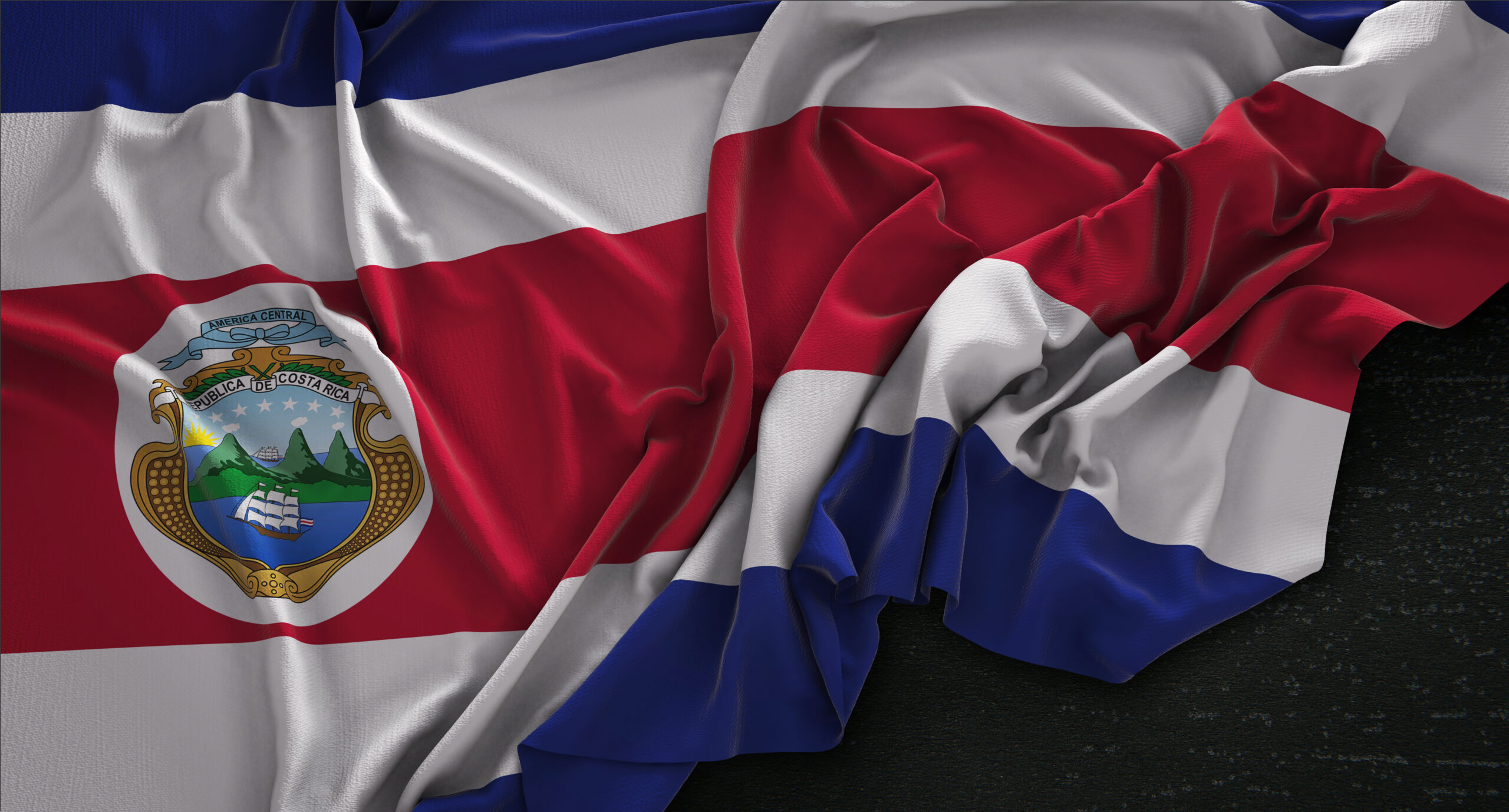
The Costa Rica Flag is a symbol of national pride, culture, and heritage. Recognized for its vibrant colors and meaningful design, it represents the values, history, and identity of Costa Rica. Travelers encountering this flag gain insight into the country’s culture and traditions.
Brief Overview of the Flag
The Costa Rica Flag is a striking emblem consisting of five horizontal stripes in blue, white, and red. It serves as a national symbol, representing the country’s ideals of peace, prosperity, and freedom. Beyond its visual appeal, the flag embodies Costa Rica’s rich history and national identity.
History and Origin
The origins of the Costa Rica Flag date back to 1848 when it was officially adopted. Inspired by the ideals of the French Revolution, the design reflected values of liberty, equality, and fraternity. Its creation marked a pivotal moment in Costa Rican history, establishing a unique symbol for the newly independent nation.
When and Why the Flag Was Created
The flag was designed to visually express Costa Rica’s sovereignty and aspirations as a free republic. It provided citizens with a unifying emblem that promoted national pride and reflected the country’s commitment to democratic ideals.
Key Historical Milestones
Over the years, the Costa Rica Flag has remained a constant symbol through political changes and social developments. It has been present during moments of national celebration, independence anniversaries, and international representation, maintaining its place in the hearts of Costa Ricans.
Also Read This:- JetBlue Vacations in Focus: Making Travel Easy and Affordable
Design and Colors
The flag’s design features five horizontal stripes: blue at the top and bottom, followed by white, with a wider red stripe in the center. This balanced layout creates a visually appealing design that is both symbolic and easily recognizable.
Description of the Flag’s Layout
The red stripe in the center is twice the width of the white and blue stripes, symbolizing the warmth and generosity of the Costa Rican people. The blue stripes represent the sky, opportunities, and perseverance, while the white stripes signify peace and wisdom.
Meaning Behind the Colors and Symbols
Each color conveys a message: blue for idealism and perseverance, white for peace and clarity, and red for the blood shed for freedom and the generosity of the nation. This combination makes the flag both a cultural icon and a narrative of Costa Rica’s history.
National Coat of Arms on the Flag
The flag includes the national coat of arms on the red stripe for official purposes. This emblem features three volcanoes, the Pacific Ocean and Caribbean Sea, and ships representing Costa Rica’s maritime history. It symbolizes natural beauty, trade, and sovereignty.
Also Read This:- Travel Insights: Avelo Airlines Reviews Reveal Customer Experiences
Elements of the Coat of Arms
The coat of arms is rich in symbolism: volcanoes signify the country’s geographical strength, ships denote commerce and exploration, and the rising sun represents hope and prosperity. Seven stars above the scene symbolize the seven provinces of Costa Rica.
Symbolic Significance of Each Feature
Every element conveys the nation’s identity and values. The volcanoes and oceans highlight the natural richness, the ships illustrate trade and history, and the stars emphasize unity and administrative divisions, making the emblem a comprehensive representation of Costa Rica.
Symbolism and Cultural Importance
The Costa Rica Flag represents more than geography—it reflects the values of the nation, including freedom, peace, and community. It is a source of pride for citizens and a recognizable icon for travelers seeking to understand the country’s heritage.
Representation of Costa Rican Values
The colors and coat of arms collectively portray Costa Rica’s dedication to democracy, education, and environmental stewardship. These ideals are central to the national identity and are celebrated through the flag.
How the Flag Reflects National Identity
By combining historical, cultural, and geographic elements, the flag communicates Costa Rica’s uniqueness to the world. For travelers, it is a visual introduction to the country’s priorities and collective consciousness.
Flag in Costa Rican History
The flag has played a significant role during independence celebrations, political milestones, and international events. It has been a constant emblem representing Costa Rica’s sovereignty and growth as a nation.
Role During Independence and Historical Events
From parades to official ceremonies, the flag has symbolized unity and resilience during historical transitions. It has witnessed critical moments of change while remaining a constant source of inspiration for the population.
Evolution of the Flag Over Time
Though minor adjustments have been made to the coat of arms and display protocols, the core colors and design have remained intact. This consistency reinforces the flag’s cultural continuity and long-standing significance.
Use in Travel and Tourism
Travelers frequently encounter the Costa Rica Flag in public spaces, government buildings, and tourist destinations. It serves as both a decorative and educational element, enhancing the travel experience by providing cultural context.
How Travelers Encounter the Flag
Whether visiting San José, Monteverde, or coastal resorts, tourists will see the flag displayed prominently. It guides travelers in understanding local pride and offers an introduction to Costa Rican history and values.
Role in Promoting Costa Rican Culture
By featuring the flag in public spaces and cultural events, Costa Rica showcases its heritage. The flag acts as a symbol of hospitality, national pride, and the country’s unique traditions.
Flag Etiquette and Protocol
Displaying the flag respectfully is essential in Costa Rica. Certain rules dictate how it should be hoisted, folded, and displayed, reflecting the nation’s reverence for its emblem.
Rules for Displaying the Flag
The flag should be flown from sunrise to sunset and not allowed to touch the ground. During official ceremonies, it is often accompanied by the national anthem and other formal protocols, emphasizing respect and decorum.
Respect and Customs Observed by Locals
Locals treat the flag with honor, using it during holidays, school events, and government functions. Its presence is a reminder of national unity and cultural pride for both residents and visitors.
National Holidays and Flag Celebrations
Independence Day on September 15th and other national holidays feature prominent displays of the flag. Parades, ceremonies, and cultural performances often center around the flag as a unifying symbol.
Days When the Flag Is Prominently Displayed
Key national observances include Independence Day, Army Abolition Day, and Flag Day. During these events, the flag is displayed on buildings, streets, and public squares, highlighting its importance.
Celebrations, Parades, and Ceremonies
Public celebrations often involve marching bands, traditional dances, and ceremonial hoisting of the flag. These events showcase the flag’s role in uniting citizens and promoting national pride.
Flag in Schools and Public Spaces
The flag is used educationally in schools to teach children about national history and values. It is also displayed in government offices, parks, and other public institutions as a symbol of civic pride.
Educational Importance
Teaching students about the Costa Rica Flag fosters respect, cultural awareness, and knowledge of the nation’s heritage. It encourages younger generations to value and preserve national symbols.
Visibility in Government and Public Institutions
From municipal buildings to embassies abroad, the flag represents Costa Rica officially. It reinforces national identity in both local and international contexts, enhancing its recognition globally.
Flag in Sports and International Representation
The flag is a symbol of pride in sports events and international competitions. Athletes and fans display it during matches to represent national unity and excellence.
Use in National Teams and Events
Costa Rican athletes carry the flag at opening ceremonies, competitions, and medal celebrations. Its presence fosters patriotism and solidarity among both players and spectators.
Symbol of Pride in Global Competitions
In events like the Olympics or FIFA tournaments, the Costa Rica Flag unites citizens and showcases the country’s cultural identity to the international community.
Fun Facts and Lesser-Known Details
The flag has several interesting features that travelers may notice, such as the unique color arrangement, proportional stripes, and intricate coat of arms. These elements distinguish it from other national flags.
Interesting Trivia About the Flag
For example, the flag’s design was influenced by France’s tricolor, reflecting democratic values. The coat of arms includes elements that are specific to Costa Rica’s geography and culture, making it uniquely identifiable.
Unique Aspects Travelers Might Notice
Visitors may notice the flag displayed in homes, schools, and marketplaces, offering insight into local pride and cultural identity. It is also common to see miniature flags used in souvenirs and decorations.
Conclusion and Takeaways
The Costa Rica Flag is more than a visual emblem—it embodies history, culture, and national pride. Travelers are encouraged to appreciate its symbolism, learn about its origins, and observe its respectful use across the country.
FAQs
Q1: What does the Costa Rica Flag look like?
A1: It has five horizontal stripes in blue, white, and red, with the national coat of arms on the red stripe for official purposes.
Q2: What do the colors of the flag represent?
A2: Blue symbolizes perseverance, white represents peace, and red reflects the blood shed for freedom and the generosity of the people.
Q3: When was the Costa Rica Flag adopted?
A3: The flag was officially adopted in 1848, inspired by democratic ideals and national identity.
Q4: How is the flag used in national celebrations?
A4: It is displayed during Independence Day, parades, ceremonies, and public events, symbolizing unity and pride.
Q5: Can travelers see the flag across Costa Rica?
A5: Yes, it is prominently displayed in schools, government offices, public spaces, and tourist destinations.
Visit for more information:- Platosargentinos