
 By Bran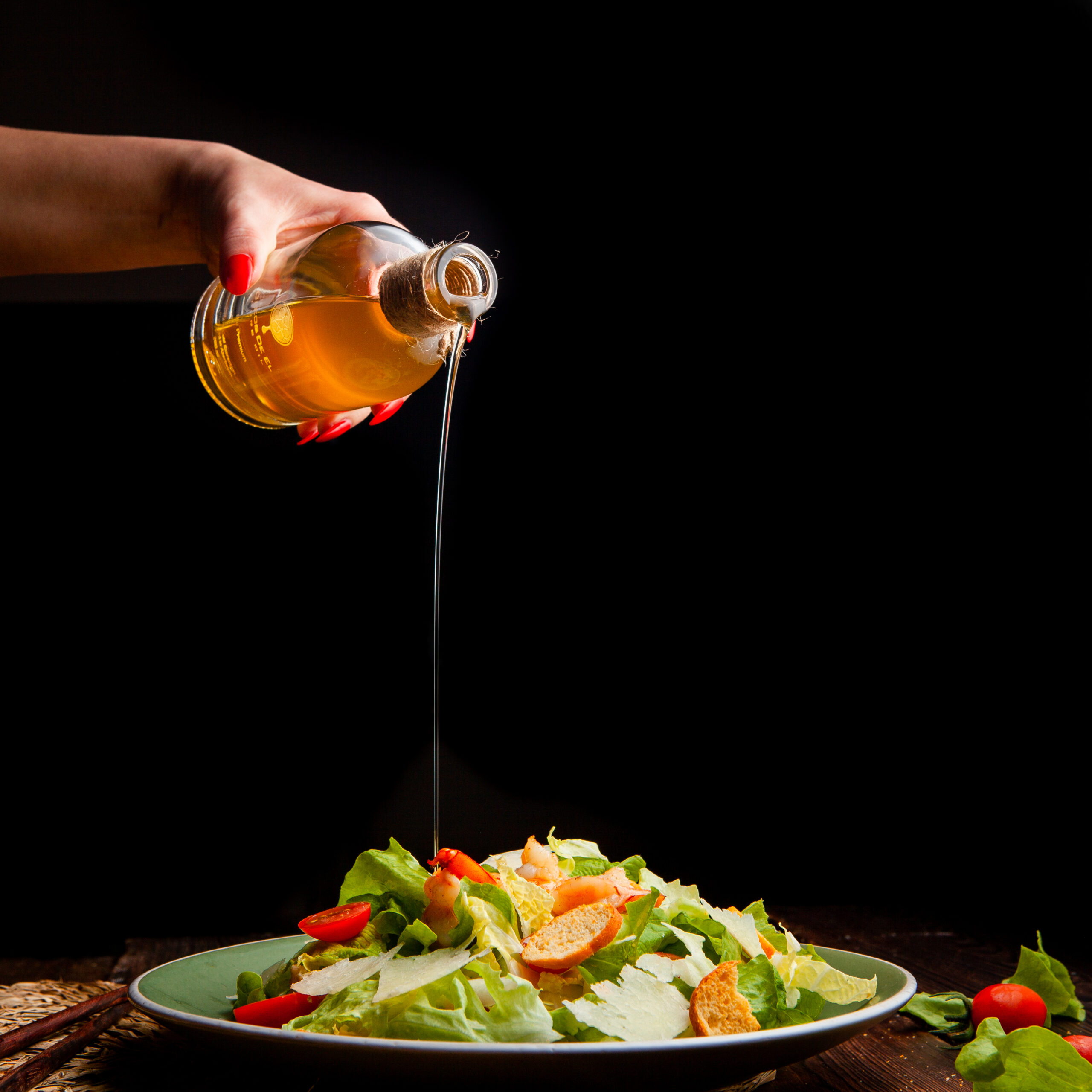
Asian salad dressing has become a favorite addition to kitchens worldwide, offering a unique combination of flavors that elevate everyday meals. Its versatility and vibrant taste make it ideal for a variety of dishes, from fresh greens to noodle-based salads.
Brief Overview of Its Popularity and Role in Modern Cuisine
Asian salad dressing plays an important role in modern cuisine, adding depth and complexity to simple dishes. Its growing popularity stems from the fusion of traditional Asian flavors with contemporary culinary techniques. Chefs and home cooks alike use it to transform ordinary salads into flavorful meals, enhancing taste while keeping dishes light and healthy.
History and Origins of Asian Salad Dressing
The roots of Asian salad dressing trace back to traditional Asian culinary practices, where ingredients like soy sauce, rice vinegar, and sesame oil were commonly used. Over centuries, these ingredients were blended into sauces for salads, noodles, and steamed vegetables. Regional variations across Japan, China, Thailand, and Korea contributed to the diversity of flavors, leading to the modern dressings we enjoy today.
Common Ingredients in Asian Salad Dressing
Key ingredients in Asian salad dressing include soy sauce for umami, sesame oil for a nutty aroma, rice vinegar for tang, ginger for a hint of spice, and garlic for depth. Additional ingredients like honey, chili, and miso paste are often added to balance flavors. These staples create a versatile base that can be customized to suit different dishes and personal taste preferences.
Also Read This:- Royal Canin Puppy Food: Nutrition Tips for Happy Puppies
Types of Asian Salad Dressing
There are numerous types of Asian salad dressing, each offering a distinct flavor profile. Popular varieties include ponzu, a citrus-infused soy sauce; sesame, rich and nutty; miso, fermented and savory; ginger, bright and aromatic; and spicy chili, perfect for heat lovers. Each type complements specific salads and ingredients, making it easy to experiment and find favorites.
Flavor Profiles and Taste Combinations
The magic of Asian salad dressing lies in its balance of sweet, sour, salty, and umami flavors. Sweetness often comes from honey or sugar, while acidity from rice vinegar adds tang. Soy sauce provides saltiness and depth, and sesame oil contributes nutty richness. Mastering these flavor combinations allows for a well-rounded dressing that enhances salads without overpowering other ingredients.
Health Benefits of Asian Salad Dressing
Asian salad dressing offers numerous health benefits when made with wholesome ingredients. Low in calories and rich in antioxidants, it supports heart health and overall wellness. Ingredients like ginger and garlic can aid digestion and boost immunity, while sesame seeds provide essential minerals. Homemade versions often contain less sugar and preservatives, making them a healthier alternative to many store-bought options.
Also Read This:- Morning Feast: Burger King Breakfast Favorites You Can’t Miss
How to Make Asian Salad Dressing at Home
Making Asian salad dressing at home is simple and rewarding. Start with a base of soy sauce, rice vinegar, and sesame oil. Add minced garlic, grated ginger, and a touch of honey or chili for sweetness and heat. Whisk thoroughly and adjust seasoning to taste. Home preparation allows for customization, whether you prefer a lighter, tangier, or spicier dressing, ensuring freshness and control over ingredients.
Pairing Asian Salad Dressing With Different Salads
Asian salad pairs wonderfully with a variety of salads. Light green salads with lettuce, cucumber, and carrots benefit from a ginger or sesame dressing. Noodle salads gain depth from spicy chili or miso-based dressings. It also complements seafood, tofu, and protein-rich salads, creating balanced meals with bold flavors. The versatility of the dressing makes it suitable for both casual lunches and gourmet dinners.
Asian Salad Dressing in Restaurant Cuisine
In restaurants, Asian salad is used to enhance dishes and create signature flavors. Sushi restaurants often pair ponzu dressing with seafood salads, while fusion cuisine explores sesame and miso dressings on noodle bowls and mixed greens. Chefs experiment with textures and flavor layers, demonstrating the dressing’s adaptability and its ability to elevate the overall dining experience.
Store-Bought vs Homemade Asian Salad Dressing
Choosing between store-bought and homemade Asian salad depends on convenience and taste preference. Store-bought options offer quick use but may contain preservatives, sugar, and sodium. Homemade dressings allow for ingredient control, customization, and freshness. By preparing your own, you can adjust flavors, reduce additives, and enjoy a healthier, more personalized dressing experience.
Tips for Enhancing Your Asian Salad Dressing
Enhancing Asian salad can be done with herbs, spices, and creative ingredients. Fresh cilantro, green onions, or mint add brightness, while toasted sesame seeds or crushed peanuts contribute texture. A splash of citrus juice can brighten flavors, and chili flakes or sriracha can increase heat. These small additions allow you to tailor the dressing to your taste and complement a wide range of salads.
Global Popularity and Adaptations
Asian salad has gained global popularity, appearing in kitchens and restaurants worldwide. Many countries have adapted the recipes to local tastes, blending traditional Asian flavors with regional ingredients. From Western-style salads with miso vinaigrette to spicy fusion bowls, the dressing continues to inspire creativity, bridging cultural culinary practices with contemporary food trends.
Conclusion: Bringing Asian Flavors to Your Meals
Asian salad is more than a simple condiment; it is a versatile ingredient that brings flavor, health benefits, and cultural richness to meals. Whether homemade or store-bought, light or bold, it transforms ordinary salads into exciting dishes. By exploring various types, flavors, and pairings, anyone can enjoy the delicious and nutritious qualities of this culinary staple.
FAQs
What are the main ingredients in Asian salad?
Common ingredients include soy sauce, sesame oil, rice vinegar, ginger, garlic, and optional honey or chili.
How do I make it at home?
Combine soy sauce, rice vinegar, sesame oil, garlic, and ginger, whisk well, and adjust flavors to taste.
Which salads pair best with Asian Salad?
It complements green salads, noodle salads, seafood, tofu, and protein-rich dishes.
Is it healthy?
Yes, especially homemade versions that are low in sugar, preservatives, and high in antioxidants.
What are the most popular types?
Ponzu, sesame, miso, ginger, and spicy chili dressings are among the favorites.
Visit for more information:- Platosargentinos