
 By Bran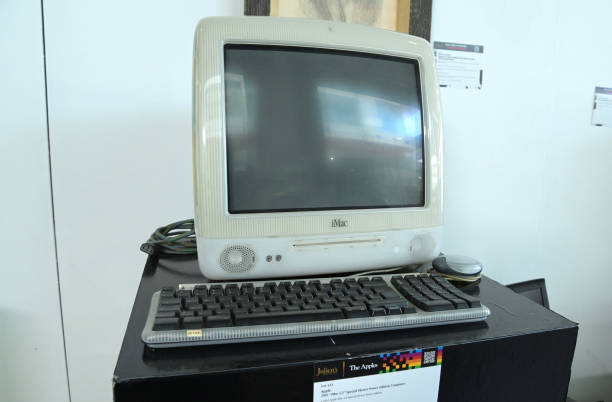
The iMac G3 entered the tech world at a time when Apple desperately needed a breakthrough. With its friendly shape, translucent shell, and approachable design, it seemed almost alive — a computer with personality. Its primary mission was simple yet ambitious: make technology exciting again for everyday people. And in many ways, it succeeded beyond expectations.
Birth of a Tech Icon (1998)
When the iMac G3 was introduced in 1998, Apple was struggling financially and searching for a clear identity. Steve Jobs had just returned to the company, and one of the first products under his renewed leadership needed to make a strong statement. The iMac G3 was that statement. Jobs worked closely with designer Jony Ive to create a machine that broke every conventional standard of computer design. Instead of dull beige boxes, the iMac G3 introduced bright colors, curves, and transparency, symbolizing openness and creativity. It was designed to be friendly, approachable, and fun — something that stood out instantly in a crowded market dominated by traditional PCs.
Age and Timeline of the iMac G3
The lifespan of the iMac G3 ran from 1998 to 2003, a period marked by rapid evolution and consistent innovation. In its early years, the first Bondi Blue model captured global attention, leading Apple to release a series of upgraded versions featuring better processors, improved displays, and new color options. Over time, the iMac G3 transformed from a single bold concept into a diverse family of models. With each update, it became faster, more capable, and more popular. By the time production ended in 2003, the iMac G3 had secured its place as a major turning point in Apple’s history.
Physical Appearance: The “Personality” of the iMac G3
The physical design of the iMac G3 remains one of the most memorable features in tech history. Its translucent body allowed users to see hints of the internal components, creating a sense of honesty and curiosity. The rounded, all-in-one shape replaced the typical desktop tower setup, making the computer more compact and friendly for home use. Available in a wide range of colors — from Tangerine and Grape to Strawberry and Indigo — it became a form of personal expression. The iMac G3 looked more like a lifestyle accessory than a typical computer, and that personality helped it connect with people in a way few tech devices ever had.
Also Read This:- How apple vision pro demo Shows the Future of Wearable Technology
Design Evolution: Changes Throughout Its Lifetime
As the iMac G3 evolved, its design grew more refined. The earliest model featured a tray-loading CD drive, but later versions switched to a sleeker slot-loading system. Apple expanded the color lineup, offering everything from vibrant fruit-inspired colors to elegant shades like Graphite and Snow. Internally, the computer saw notable upgrades in memory, graphics capabilities, and processor speed. Despite all the enhancements, Apple stayed committed to the iMac G3’s core idea: a computer that felt exciting, modern, and easy to use.
The iMac G3’s “Character Traits”: Performance and Capabilities
If the iMac G3 had a personality, its character traits would include simplicity, speed, and creativity. Powered by the PowerPC G3 processor, it delivered strong performance for its time, especially in multimedia tasks like photo editing and early digital video work. Its built-in display, stereo speakers, and plug-and-play features made it ideal for both beginners and experienced users. The machine came with USB ports instead of legacy connectors, pushing the industry toward unified standards. With support for Mac OS 8 and eventually Mac OS X, the iMac G3 became a bridge between the classic Macintosh world and the future of Apple computing.
The iMac G3’s Family Tree
The iMac G3 fits into a fascinating family tree of Apple devices. Its predecessors were the classic Macintosh models, which established Apple’s reputation for user-friendly computers but had fallen behind the competition by the late 1990s. The iMac G3 also shared traits with Apple’s G3 and G4 desktops, which focused on power and professional tasks. Its direct successor, the iMac G4, carried forward its spirit of innovation with a radical new design featuring a floating display on an adjustable arm. Modern iMacs still embody the philosophy introduced by the iMac G3: all-in-one simplicity, aesthetic elegance, and seamless user experience.
Partnerships and Connections in the Tech World
The iMac G3 influenced far more than just Apple’s internal product line. Its colorful design sparked a wave of translucent electronics, from phones to gaming accessories. Schools embraced the iMac G3 because it was affordable, reliable, and visually appealing to students. Software developers appreciated its strong multimedia performance and stable operating system. Even competing tech companies took design cues from the iMac G3, proving that its influence extended across the entire industry. It helped redefine what consumer technology could look like and how users could interact with it.
Also Read This:- Computer Repair Technician Tech Solutions and Troubleshooting Guide
Cultural Impact: How the iMac G3 Won Hearts
Culturally, the iMac G3 became an instant icon. Its appearance in movies, commercials, classrooms, and home offices made it a recognizable symbol of late-90s innovation. Apple’s “Think Different” campaign helped solidify its status as a device for creative people and forward thinkers. The bright colors and approachable design made technology feel less intimidating, especially for first-time computer users. Even after many years, the iMac G3 continues to evoke nostalgia and admiration for its playful, revolutionary spirit.
The iMac G3’s Role in Apple’s Comeback Story
The iMac G3 played a critical role in Apple’s remarkable comeback. At a time when the company was losing market share and struggling financially, the iMac G3 boosted sales and renewed public interest in Apple products. Its success gave the company confidence to push ahead with new ideas, leading to major innovations like the iPod, iPhone, and modern iMacs. The iMac G3 wasn’t just a computer; it was a symbol of rebirth, marking the beginning of Apple’s transformation into a global tech powerhouse.
Challenges and Criticisms During Its Lifetime
Despite its successes, the iMac G3 faced its share of criticism. Some users were frustrated by the lack of a floppy drive, which was still popular in the late 1990s. Others felt limited by the computer’s all-in-one form factor, which made upgrades more difficult. Over time, its hardware began to lag behind faster PC alternatives, and its CRT display became outdated as flat screens emerged. Yet even with these challenges, the iMac G3 remained beloved for its design and user-friendly features.
Legacy: What the iMac G3 Left Behind
The legacy of the iMac G3 continues to influence modern technology. Its emphasis on design and user experience reshaped the way companies approach product development. The idea that computers could be stylish, colorful, and fun originated with this machine. Many Apple design principles — simplicity, transparency, and minimalism — were strengthened during this era. Today, collectors seek out the iMac G3 not just for its historical value but for the joy it still brings as a piece of design history.
Where the iMac G3 Stands in Today’s Retro Tech Market
In the current retro tech community, the iMac G3 holds a cherished place. Fans appreciate it for its visual charm, nostalgic appeal, and role in tech evolution. Some collectors restore units for display, while others repurpose them with modern components. The iMac G3 represents a time when computers began to merge with personal style, making it one of the most valued retro machines of its generation.
Conclusion: Remembering the Life of the iMac G3
The iMac G3 remains an enduring symbol of innovation, creativity, and transformation. From its colorful debut to its lasting influence on design and technology, it paved the way for many of today’s modern devices. More than just a computer, the iMac G3 was a turning point in Apple’s history and a milestone in the evolution of personal technology. Its story continues to inspire designers, collectors, and tech enthusiasts around the world.
FAQs
What made the iMac G3 unique?
Its colorful translucent design and user-friendly features set it apart from traditional computers.
Why did Apple remove the floppy drive?
Apple believed USB storage and optical media were the future, encouraging users to adopt newer technology.
Is the iMac G3 valuable today?
Certain colors and rare models are sought after by collectors and can be valuable depending on condition.
Can the iMac G3 still be used?
It can run older software, but most owners keep it for display, restoration, or hobby projects.
Visit for more information:- Platosargentinos