
 By Bran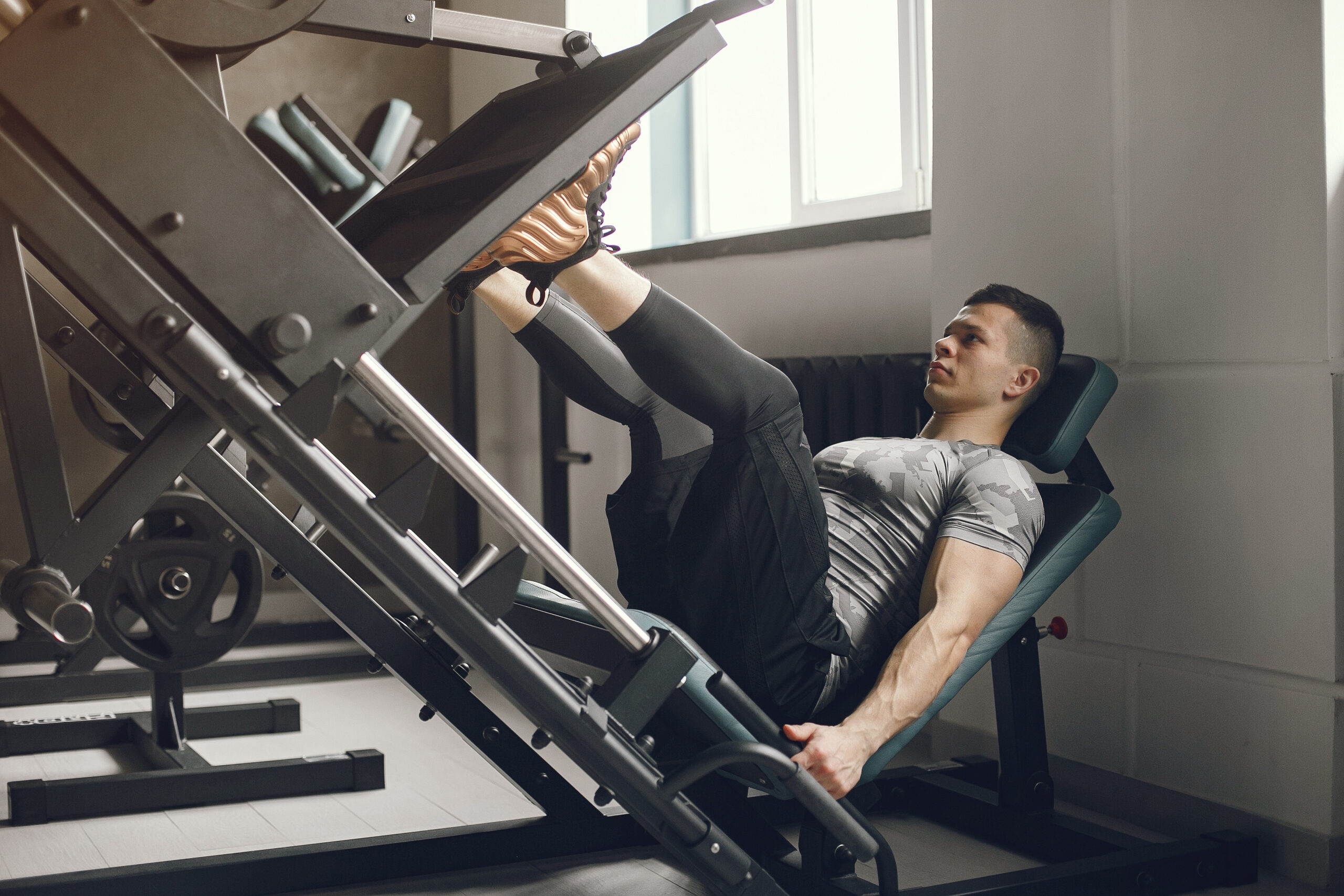
The leg press is one of the most effective exercises for building lower body strength. It has gained popularity in gyms worldwide due to its ability to target multiple leg muscles safely and efficiently. Whether you are a beginner or an advanced lifter, incorporating this exercise into your routine can dramatically improve leg power and overall athletic performance.
Muscles Targeted by Leg Press
The leg press primarily targets the quadriceps, which are crucial for extending the knees and providing overall leg strength. Secondary muscles engaged include the hamstrings, glutes, and calves, offering a comprehensive lower body workout. Additionally, the core muscles stabilize the body during the movement, enhancing balance and coordination. This multi-muscle engagement makes the leg press a staple for anyone aiming for strong and sculpted legs.
Health and Fitness Benefits
Performing the leg press consistently offers numerous benefits. It promotes muscle hypertrophy, helping to build bulk and definition in the legs. Strengthening these muscles improves posture, supports joint health, and reduces the risk of injuries. Athletes often use the leg press to enhance explosive power for running, jumping, and other sports-related movements. Furthermore, it improves functional fitness, making everyday activities like climbing stairs or lifting objects easier and safer.
Also Read This:- Powerful Shoulders: Benefits and Techniques of the Shoulder Press
Types of Leg Press Machines and Variations
There are several leg press machine types to suit different needs. The horizontal leg press allows for controlled, back-supported movement. The 45-degree leg press is widely used for its ability to engage more glute and hamstring activation. Vertical leg press machines challenge balance and provide a full range of motion. Additionally, single-leg variations help correct muscle imbalances and promote symmetry, making the exercise adaptable for all fitness levels.
Proper Technique and Form
Maintaining proper technique is crucial for maximizing results and preventing injuries. Start by adjusting the seat so that your knees are at approximately a 90-degree angle when your feet are on the platform. Place your feet hip-width apart and push through the heels while keeping the back flat against the seat. Lower the platform slowly to maintain tension on the muscles and avoid locking the knees at the top. Controlled movement ensures safety and optimal muscle engagement.
Common Mistakes to Avoid
Several common mistakes can reduce effectiveness or cause injury. Knee locking at the top of the press places unnecessary stress on joints. Improper foot placement can lead to muscle imbalances or strain. Using excessive weight often compromises form and increases injury risk, while relying on momentum rather than controlled motion reduces the exercise’s benefits. Awareness and careful execution are key for safe and effective workouts.
Also Read This:- Boost Your Health with Easy Low Carb Diet Recipes
Equipment and Setup Considerations
Before starting, ensure your leg press machine is properly set up. Adjust safety stops, select appropriate weight plates, and confirm the platform is stable. Alternative resistance tools like resistance bands or a sled press can also provide varied challenges. Proper setup prevents accidents and allows for gradual progression while targeting the desired muscles effectively.
Warm-Up and Pre-Exercise Mobility
A proper warm-up prepares the legs and joints for heavy lifting. Dynamic stretches such as leg swings, walking lunges, and bodyweight squats activate the quadriceps, glutes, and hamstrings. Pre-exercise mobility drills improve range of motion, enhance performance, and reduce injury risks. Skipping this step can compromise form and limit effectiveness.
Progression and Load Management
Progressive overload is essential for strength gains. Gradually increasing weight, repetitions, or sets ensures continuous muscle growth. Start with lighter loads to master form and technique, then incrementally increase resistance. Tracking your performance and adjusting load responsibly helps prevent plateaus and reduces injury risks while building strong, functional legs.
Integrating Leg Press in a Workout Routine
The leg press can be integrated into various workout routines. Pairing it with exercises like squats, lunges, or deadlifts creates a comprehensive leg session. For balanced strength development, combine with upper body movements in full-body routines. It can be used as a primary or accessory exercise, depending on your fitness goals, from strength building to muscle endurance.
Benefits for Different Fitness Levels
The leg press is highly adaptable for all fitness levels. Beginners can use lighter loads to learn proper technique, focusing on controlled movements. Intermediate users can increase resistance and incorporate single-leg variations. Advanced athletes may employ heavy loads or explosive repetitions to target maximum strength and power. This versatility ensures the exercise is effective regardless of experience.
Recovery and Injury Prevention
Recovery is critical for optimal results. After a leg press session, engage in stretching to improve flexibility and reduce muscle soreness. Allow adequate rest periods between sessions to support muscle repair and growth. Using proper form and avoiding excessive weight also mitigates overuse injuries, keeping your legs healthy and strong over time.
FAQs
Q: How often should I do leg press exercises?
A: 2–3 times per week with at least one rest day between sessions for recovery.
Q: Can beginners start with heavy weights?
A: No, beginners should focus on proper form and moderate weight to prevent injuries.
Q: Are single-leg presses necessary?
A: Yes, they help correct muscle imbalances and improve symmetry.
Q: How do I prevent knee strain during the leg press?
A: Keep knees slightly bent at full extension, avoid locking joints, and control the movement.
Q: Can the leg press replace squats?
A: While effective, the leg press should complement squats for balanced lower body development.
Visit for more information:- Platosargentinos