
 By Bran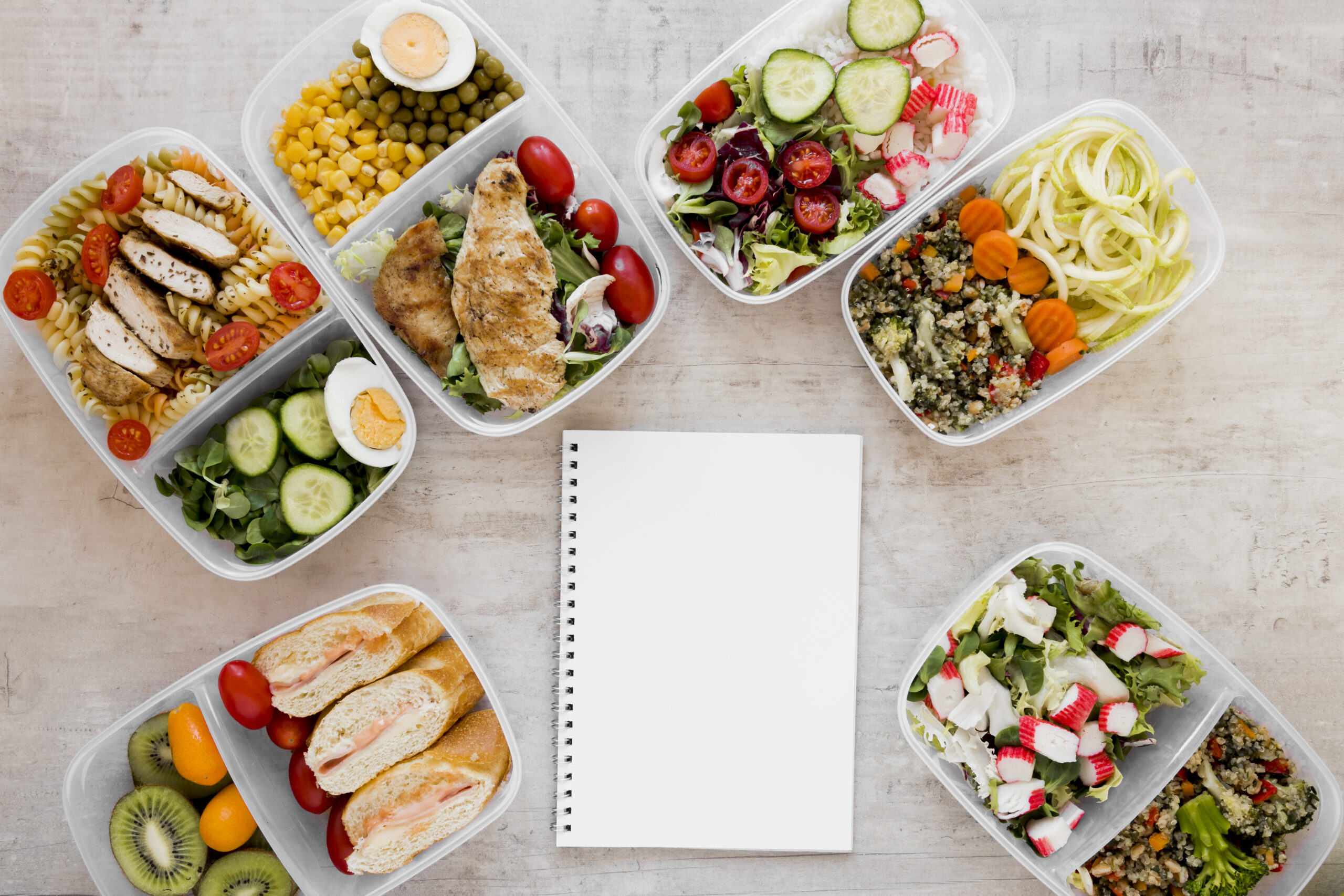
In today’s fast-paced world, meal prep ideas have become essential for maintaining a healthy lifestyle, saving time, and reducing stress. Preparing meals ahead allows you to make nutritious choices without the daily hassle of cooking from scratch.
Benefits of Meal Prep for Health
Implementing meal prep ideas offers multiple health benefits. Firstly, it supports balanced nutrition, allowing control over portion sizes and macronutrient intake. Individuals can carefully track calories, proteins, fats, and carbohydrates, which is essential for weight management. Prepping meals also reduces reliance on fast food, minimizes unhealthy snacking, and ensures that whole, fresh ingredients are part of your diet. Over time, this practice contributes to better energy levels, improved digestion, and enhanced overall wellness.
Planning Your Weekly Meals
The key to successful meal prep lies in planning. Start by mapping out a weekly menu that includes breakfast, lunch, dinner, and snacks. Create a grocery list to ensure you have all ingredients on hand and avoid multiple trips to the store. Mix and match protein sources, grains, and vegetables to maintain variety. Allocating specific days for meal prep reduces stress and prevents last-minute unhealthy choices. Tracking portion sizes also helps you avoid overeating while providing balanced nutrition throughout the week.
Essential Tools and Containers for Meal Prep
Having the right tools simplifies the meal prep process. Invest in durable storage containers in various sizes, preferably glass or BPA-free plastic. Kitchen tools like cutting boards, sharp knives, measuring cups, and portion scoops improve efficiency. A slow cooker or instant pot can speed up bulk cooking, while a food scale ensures accurate portions. Labeling containers with dates helps maintain freshness and prevents food waste. Organizing your kitchen and tools makes meal prep less stressful and more enjoyable.
Also Read This:- Maximize Strength: Fitness Gear Pro Half Rack for Home Workouts
Healthy Protein Options
Protein is vital for a balanced diet, and meal prep ideas often highlight versatile options. Chicken breasts, turkey, eggs, tofu, legumes, and fish are excellent sources. For vegetarians, lentils, chickpeas, and tempeh are nutritious alternatives. Including protein in every meal supports muscle repair, satiety, and metabolism. Preparing protein in bulk, such as roasting a tray of chicken or boiling eggs, makes it easy to assemble meals throughout the week.
Incorporating Fruits and Vegetables
No meal prep plan is complete without fruits and vegetables. Fresh produce offers essential vitamins, minerals, and fiber for optimal health. Wash, chop, and store vegetables like broccoli, carrots, and bell peppers in airtight containers. Fruits like berries, apples, and grapes make convenient snacks. Rotating seasonal produce keeps meals exciting and adds color, flavor, and nutrients to every dish. Proper storage is key to preserving freshness and taste throughout the week.
Carbohydrates and Whole Grains
Healthy carbs are critical for energy, especially in active lifestyles. Incorporate whole grains like quinoa, brown rice, oats, and sweet potatoes. These options provide sustained energy, support digestion, and help maintain stable blood sugar levels. Preparing carbs in batches saves time and ensures meals are balanced. Combining carbs with proteins and vegetables creates complete meals that are satisfying and nutrient-rich.
Also Read This:- Achieve Your Goals: Fitness Center Tips for Healthy Living
Healthy Fats and Add-Ons
Meal prep ideas also emphasize including healthy fats. Avocados, nuts, seeds, olive oil, and nut butters provide essential fatty acids for brain health and satiety. Adding small amounts of these fats enhances flavor and texture without excessive calories. Portion control is crucial; store toppings like almonds or chia seeds in small containers to prevent overuse. These add-ons elevate meals from simple to gourmet while keeping them nutritious.
Quick and Easy Meal Prep Recipes
To make meal prep fun and sustainable, select recipes that are simple yet nutritious. For breakfast, overnight oats with fruits and nuts are perfect. Lunch can include quinoa bowls with grilled chicken and roasted vegetables. For dinner, try sheet pan salmon with sweet potatoes and broccoli. Snacks like hummus with carrot sticks or yogurt parfaits make healthy eating easy. Rotating recipes weekly prevents monotony and encourages adherence to healthy meal plans.
Batch Cooking Techniques
Batch cooking is a time-saving strategy in meal prep. Prepare large quantities of proteins, grains, and vegetables in one session. Store in individual portions for grab-and-go meals. Utilize sheet pans, slow cookers, or instant pots for efficient batch cooking. Freezing some portions allows you to enjoy variety without daily cooking. Proper seasoning and smart storage ensure that meals remain flavorful and nutritious throughout the week.
Storing and Reheating Meals Safely
Food safety is paramount in meal prep routines. Refrigerate meals for up to four days, and freeze extras for longer storage. Reheat thoroughly to maintain flavor and prevent bacterial growth. Glass containers work well in both ovens and microwaves, preserving nutrient content. Separating sauces or dressings prevents sogginess. Following these practices ensures that every meal tastes fresh, even days after preparation.
Tips for Staying Consistent with Meal Prep
Consistency is key to long-term success. Set aside a specific day and time for weekly meal prep. Create a comfortable environment with music or podcasts to make the process enjoyable. Start small with two or three meals per week, then gradually increase. Track your progress and reward yourself for adherence. Engaging family members or friends can also enhance motivation and make meal prep a fun, shared activity.
Conclusion – Transforming Your Health with Meal Prep
Incorporating meal prep ideas into your routine is a game-changer for health and lifestyle. It ensures balanced nutrition, saves time, reduces stress, and supports long-term wellness goals. By planning, cooking in batches, and storing meals properly, you can maintain a consistent, healthy diet without daily hassle. Adopting this habit transforms eating from a stressful chore into a sustainable, enjoyable practice that supports physical and mental well-being.
FAQs
What are some easy meal prep recipes for beginners?
Start with simple recipes that require minimal ingredients and steps. Examples include overnight oats with fruits and nuts for breakfast, quinoa bowls with roasted vegetables and chicken for lunch, or sheet pan salmon with sweet potatoes and broccoli for dinner.
Can I prepare meals for the whole week in one session?
Yes, meal prepping for the entire week is possible and efficient. Cook large batches of proteins, grains, and vegetables at once. Divide them into portions and store in airtight containers. Some meals may stay fresh for 3–4 days in the fridge, while the rest can be frozen and thawed later. This approach saves daily cooking time and ensures consistent healthy eating throughout the week.
Can meal prep help with weight loss?
Absolutely. Meal prep promotes portion control, reduces reliance on processed foods, and ensures consistent nutrient intake, all of which support weight management.
What containers are best for meal prep?
BPA-free plastic containers are lighter and convenient for transport. Choose containers in different sizes for portioning meals, snacks, and sauces. Divided containers work well for meals with multiple components.
Visit for more information:- Platosargentinos