
 By Bran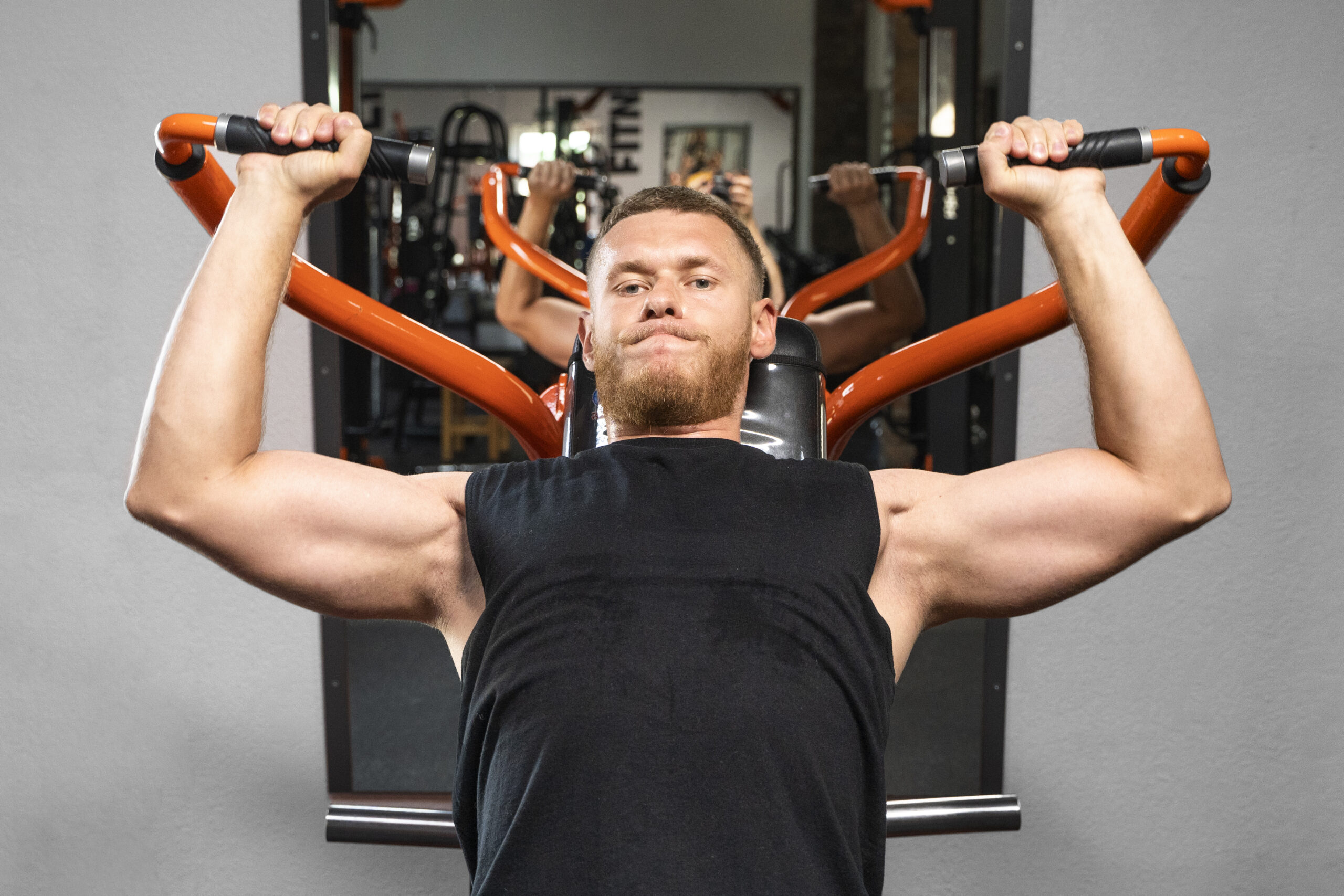
The shoulder press is a cornerstone exercise for building upper body strength and improving overall fitness. Its versatility and effectiveness make it a favorite among beginners and seasoned athletes alike. Performing this exercise correctly ensures maximum benefits while minimizing injury risks.
Anatomy Targeted by Shoulder Press
The shoulder press primarily engages the deltoids, which are the main shoulder muscles responsible for arm movement and stabilization. Secondary muscles include the triceps, which assist in extending the arms, and the trapezius, which supports shoulder alignment and posture. Additionally, the core muscles play a crucial role in stabilizing the torso during the lift, ensuring balance and proper form throughout the movement.
Health and Fitness Benefits
Incorporating the shoulder press into your routine delivers numerous benefits. It promotes strength gains in the shoulders and arms, enhancing overall upper body power. Improved posture results from strengthened stabilizing muscles, reducing the risk of rounded shoulders and back pain. Functional fitness is enhanced, making everyday tasks like lifting or carrying objects easier. Moreover, consistent practice helps with injury prevention, particularly in shoulder joints, by increasing stability and mobility.
Also Read This:- Boost Your Health with Easy Low Carb Diet Recipes
Types of Shoulder Press Exercises
There are several variations of the shoulder press, each catering to different fitness goals. The barbell press allows for heavier lifting and mass building, while the dumbbell press provides greater range of motion and unilateral strength development. The Arnold press, named after Arnold Schwarzenegger, adds rotational movement to engage additional shoulder fibers. Additionally, the exercise can be performed seated for added support or standing to incorporate core activation and stability.
Proper Technique and Form
Correct technique is crucial for maximizing benefits and preventing injuries. Start with feet shoulder-width apart and maintain a neutral spine. Grip the weights slightly wider than shoulder level and press them overhead in a controlled motion until arms are fully extended. Lower the weights slowly back to the starting position without locking the elbows. Keep the core engaged, shoulders down, and avoid leaning backward, which could strain the lower back.
Common Mistakes to Avoid
Many individuals perform the shoulder press incorrectly, risking injury and reducing effectiveness. Common mistakes include arching the back excessively, which strains the spine, using momentum to lift weights, reducing muscle engagement, and improper grip width, which can lead to shoulder discomfort. Avoiding these mistakes ensures safer and more efficient workouts.
Also Read This:- Active Living: How Baseball Lifestyle Shapes Health and Fitness
Equipment Options
The shoulder press can be performed with a variety of equipment to suit different skill levels and training preferences. Dumbbells allow for a natural range of motion, while barbells enable heavier loads. Resistance bands are excellent for beginners or home workouts, offering adjustable tension. Machines provide guided movement, ensuring consistent form and reducing the risk of imbalance or injury.
Warm-Up and Stretching for Shoulder Press
A proper warm-up is essential before performing the shoulder press. Dynamic stretches, such as arm circles, shoulder rolls, and band pull-aparts, activate the shoulder muscles. Engaging in mobility drills like thoracic spine rotations improves range of motion and prepares the joints for the overhead movement. This reduces injury risk and enhances overall performance.
Progression and Load Management
Gradually increasing weight, sets, and repetitions is crucial for safe strength development. Beginners should start with lighter loads to master technique, while intermediate and advanced lifters can implement progressive overload to continuously challenge muscles. Tracking performance and adjusting load incrementally ensures steady improvement without overstraining the joints.
Integrating Shoulder Press in a Workout Routine
The shoulder press fits seamlessly into upper body or full-body workout routines. It can be performed after compound lifts like bench presses or before isolation exercises to pre-exhaust shoulder muscles. Frequency depends on training goals, but 2–3 sessions per week allow sufficient recovery. Pairing with complementary exercises like lateral raises, push-ups, and rows maximizes shoulder strength and overall upper body development.
Benefits for Different Fitness Levels
This exercise is versatile, catering to beginners, intermediate, and advanced athletes. Beginners benefit from developing basic strength and stability, while intermediates improve muscle endurance and hypertrophy. Advanced athletes can lift heavier loads and incorporate variations such as unilateral presses or seated overhead presses to challenge coordination and core engagement further.
Recovery and Injury Prevention
Post-workout recovery is crucial for continued progress and injury prevention. Stretching the shoulders, triceps, and chest muscles helps maintain flexibility. Incorporating rest periods and alternating training days prevents overuse injuries. Using foam rollers and practicing mobility exercises can alleviate muscle tension, promote blood flow, and enhance recovery after intense lifting sessions.
FAQs
How often should I perform the shoulder press?
Perform shoulder press exercises 2–3 times per week, allowing at least 48 hours between sessions for recovery.
Can I do shoulder press at home without equipment?
Yes, resistance bands or bodyweight exercises like pike push-ups can effectively target shoulder muscles at home.
What is the best variation for beginners?
Dumbbell shoulder press with lighter weights or resistance bands is ideal for mastering form and preventing injury.
How do I avoid lower back strain during the press?
Keep the core engaged, maintain a neutral spine, and avoid leaning backward while pressing overhead.
Can shoulder press help with posture?
Yes, strengthening deltoids, trapezius, and core muscles through shoulder press improves posture and reduces shoulder rounding.
Is it better to do seated or standing shoulder press?
Both have benefits: seated presses offer support and focus on deltoids, while standing presses engage core and improve stability.
How many reps and sets should I do?
Beginners can start with 2–3 sets of 10–12 reps, gradually increasing weight or repetitions as strength improves.
Can I combine shoulder press with other exercises in a circuit?
Absolutely, pairing with push-ups, lateral raises, and rows creates an effective upper body circuit for strength and endurance.
Visit for more information:- Platosargentinos