
 By Bran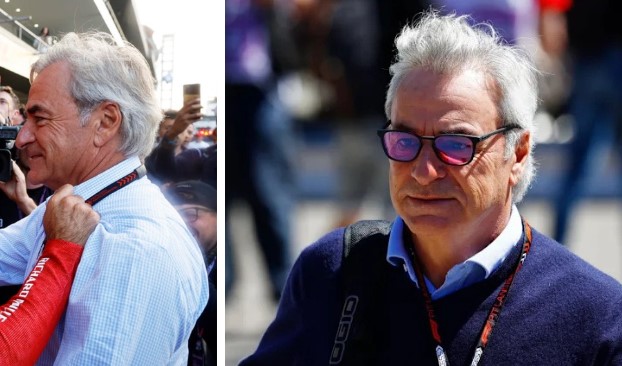
Few names shine brighter in the world of rally racing than Carlos Sainz Sr. Known for his relentless determination, tactical brilliance, and iconic partnership with co-driver Luis Moya, Sainz redefined what it means to be a Spanish rally driver. His career, spanning decades, inspired a generation of motorsport fans and helped put Spain on the global motorsport map.
Quick Bio
| Attribute | Details |
|---|---|
| Full Name | Carlos Sainz Cenamor |
| Nickname | El Matador |
| Date of Birth | April 12, 1962 |
| Birthplace | Madrid, Spain |
| Nationality | Spanish |
| Occupation | Professional Rally Driver |
| Racing Career Start | 1980 |
| World Rally Championship (WRC) Titles | 2 (1990, 1992) |
| Famous Co-Driver | Luis Moya |
| Notable Teams | Toyota, Subaru, Ford, Citroën, Volkswagen |
| Children | Carlos Sainz Jr. (Formula 1 driver), Blanca Sainz |
| Awards | Princess of Asturias Sports Award (2020) |
Early Life and Background
Born in Madrid, Spain, Carlos Sainz Sr. developed a passion for cars and competition from an early age. Before turning to rallying, he excelled in multiple sports, including squash and football, even representing Spain in squash at a young age. His love for speed and technical precision soon led him to the rally stage, where his discipline and analytical mindset began to stand out.
By his early twenties, Sainz was already a rising figure in Spanish motorsport circles, setting the foundation for what would become one of the most remarkable careers in rally history.
The Journey into Professional Rallying

Entering the professional rally scene in the early 1980s, Carlos Sainz Sr. quickly proved that talent and focus could overcome the dominance of Scandinavian drivers who traditionally ruled the World Rally Championship. His early years were marked by consistent learning, adapting to various surfaces, and mastering car control in the most challenging conditions.
With each rally, Sainz honed his driving precision and technical insight—traits that would later make him one of the most respected figures in motorsport. His early performances with Toyota and Ford showed the world that Spain had a driver capable of competing at the top level.
Rise to Fame in the World Rally Championship
Sainz’s career took a historic turn when he captured his first World Rally Championship title in 1990 with Toyota. Two years later, he clinched his second world title, confirming his status as a global rally superstar. Known for his calculated aggression and remarkable consistency, Carlos Sainz Sr. became the symbol of excellence in Spanish rallying.
His victories inspired a new generation of drivers, and his partnership with co-driver Luis Moya became legendary. The pair’s teamwork and communication were unmatched, setting new standards in rally collaboration.
Signature Driving Style and Technical Skill
What truly defined Carlos Sainz Sr. was his technical brilliance and his ability to adapt to any terrain. He was not just fast; he was strategic. His calm demeanor under pressure earned him the nickname El Matador, reflecting his bullfighter-like control behind the wheel.
From icy roads in Finland to dusty tracks in Kenya, Sainz mastered each rally environment with precision. His deep understanding of car setup and terrain dynamics made him invaluable to manufacturers, shaping vehicle development in every team he joined.
Partnership with Luis Moya
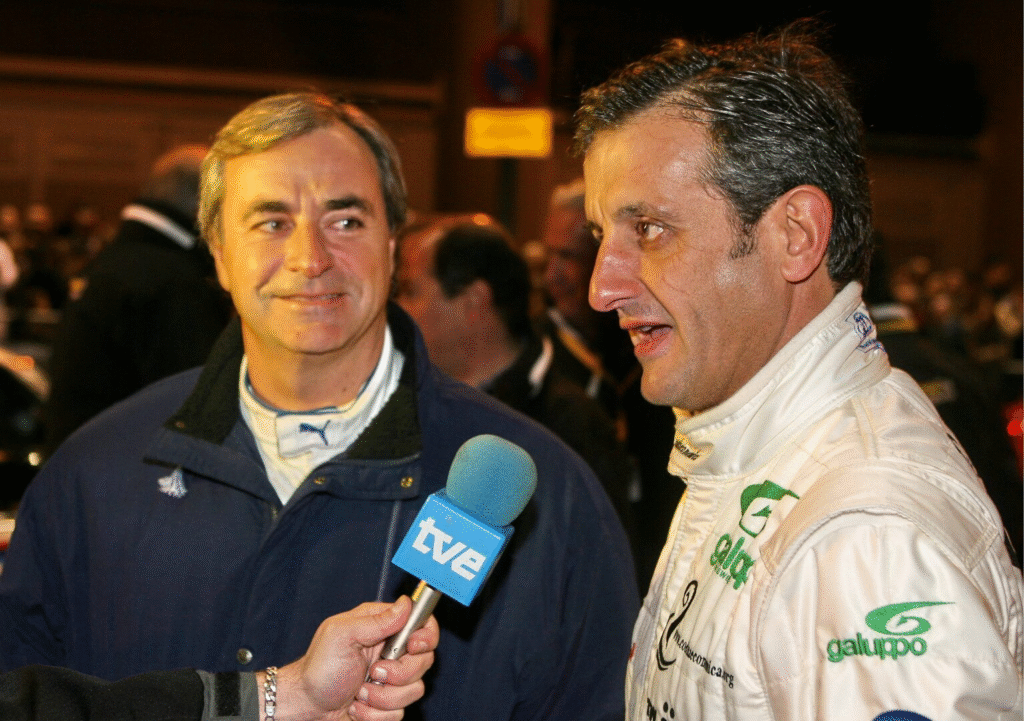
The partnership between Carlos Sainz Sr. and Luis Moya is often hailed as one of the most iconic in rally history. Their chemistry was built on trust, experience, and communication, which were crucial in navigating the unpredictable nature of rally stages. Together, they not only won races but also elevated the professionalism of Spanish rally teams on the world stage.
Their collaboration resulted in dozens of podiums and memorable moments, including legendary wins in the Acropolis Rally and RAC Rally, where their synergy was evident through precise pace-note delivery and strategic decision-making.
Major Teams and Championships
Throughout his illustrious career, Carlos Sainz Sr. competed with several top manufacturers—each chapter contributing to his evolution as a driver. He raced for Toyota, Subaru, Ford, Citroën, and later joined Volkswagen for cross-country rallies. His adaptability across brands and vehicles showcased not only his skill but also his deep mechanical understanding.
His career statistics remain impressive: two WRC titles, 97 podium finishes, and 26 rally wins. Beyond numbers, his professionalism influenced countless engineers, co-drivers, and young racers.
Transition to Cross-Country Rallying and Dakar
After stepping back from full-time WRC competition, Carlos Sainz Sr. sought a new challenge: the Dakar Rally. Known as the world’s toughest endurance race, Dakar tested every aspect of a driver’s skill and resilience.
Sainz embraced the challenge, competing with Volkswagen, Peugeot, and later Audi. His success continued—winning multiple Dakar Rally titles (2010, 2018, 2020)—further cementing his reputation as one of the most versatile and determined drivers in motorsport history.
Influence on Spanish Motorsport
Before Carlos Sainz Sr., rallying had limited recognition in Spain. His achievements transformed the country’s motorsport culture, motivating young talents and encouraging major sponsors to invest in rally racing.
He became a national hero, representing Spain not only as a competitor but also as an ambassador of sportsmanship and excellence. The Spanish Motorsport Federation often credits Sainz for inspiring a new era of professional racing infrastructure and enthusiasm across the nation.
Family Legacy and Carlos Sainz Jr.
The Sainz legacy continues through Carlos Sainz Jr., his son and a Formula 1 driver currently competing at the highest level. Growing up surrounded by engines and rally legends, Sainz Jr. inherited his father’s competitive spirit and dedication.
Despite competing in different disciplines, both father and son share a similar driving philosophy—focus, intelligence, and the pursuit of perfection. Their shared passion has made the Sainz family one of the most admired duos in global motorsport.
Awards and Recognition
In 2020, Carlos Sainz Sr. received the prestigious Princess of Asturias Sports Award, honoring his contributions to motorsport and Spanish sports culture. Over the decades, he has been celebrated not only for his victories but for his humility, professionalism, and mentoring of young drivers.
Internationally, he is regarded among rally’s “greatest of all time,” alongside legends like Sébastien Loeb, Juha Kankkunen, and Colin McRae.
Driving Philosophy and Training Regimen
Sainz’s success didn’t come from raw speed alone. His methodical preparation, data analysis, and physical fitness played vital roles in maintaining consistency across long seasons.
He approached every rally scientifically—studying routes, optimizing setups, and refining mental focus. This rigorous approach became a benchmark for professionalism in rallying, influencing future drivers and teams.
Challenges and Setbacks
Like any legendary career, Sainz’s journey wasn’t without challenges. Mechanical failures, crashes, and heartbreaking retirements occasionally tested his resilience. Yet, his determination and composure under adversity earned him immense respect among competitors.
Perhaps his most famous moment of heartbreak came at the 1998 Rally Great Britain, where a mechanical failure just 300 meters from the finish cost him a potential third championship. Instead of anger, Sainz responded with grace, further solidifying his image as a true sportsman.
Legacy and Impact on Motorsport
Today, Carlos Sainz Sr. stands as a living symbol of perseverance, intelligence, and excellence in motorsport. His influence extends far beyond his victories—his mentorship, innovations in driving technique, and contributions to team strategy changed how rally racing is approached.
Younger drivers often cite him as a source of inspiration, and his name remains synonymous with Spanish motorsport success. From WRC to Dakar, El Matador continues to inspire, proving that passion and precision can defy time.
Life Beyond Racing
Outside the rally stages, Carlos Sainz Sr. remains active in promoting motorsport education, safety initiatives, and automotive innovation. He frequently collaborates with manufacturers to test new technologies and is seen at Formula 1 events supporting his son.
His grounded personality and commitment to family values make him not only a motorsport legend but also a role model for fans worldwide.
Frequently Asked Questions (FAQs)
Who is Carlos Sainz Sr.?
Carlos Sainz Sr. is a Spanish rally driver, two-time World Rally Champion, and multiple-time Dakar Rally winner, known as El Matador.
What are his major achievements?
He won the WRC titles in 1990 and 1992 and claimed Dakar Rally victories in 2010, 2018, and 2020.
Which teams has he raced for?
He competed with Toyota, Subaru, Ford, Citroën, Peugeot, Volkswagen, and Audi.
What is his connection to Formula 1?
His son, Carlos Sainz Jr., is a successful Formula 1 driver for Scuderia Ferrari.
Why is he called “El Matador”?
The nickname reflects his composed, fearless approach—similar to a Spanish bullfighter’s focus and precision.
How did he influence Spanish motorsport?
He popularized rallying in Spain, inspired future racers, and elevated the country’s motorsport reputation internationally.
Is Carlos Sainz Sr. still racing?
He occasionally competes in endurance events like Dakar but focuses mainly on mentoring and motorsport projects.
Visit for more information:- Platosargentinos